
By November the lantern glass trembled in every gust, and we learned to trim the wick by feel before dawn. Fishermen said they could tell our station by the steadiness of the beam in sleet.
Stories
Keepers and the Long Watch
The archive turns from towers to people: daily discipline, practical skill, and quiet endurance at the edge of sea and weather.
In these accounts, keepers record lamp rounds before dawn, mended fittings between squalls, and winters measured by wind, fog, and patience. Their routines were exacting and often solitary, yet the work held communities together by keeping a dependable light on dangerous water.
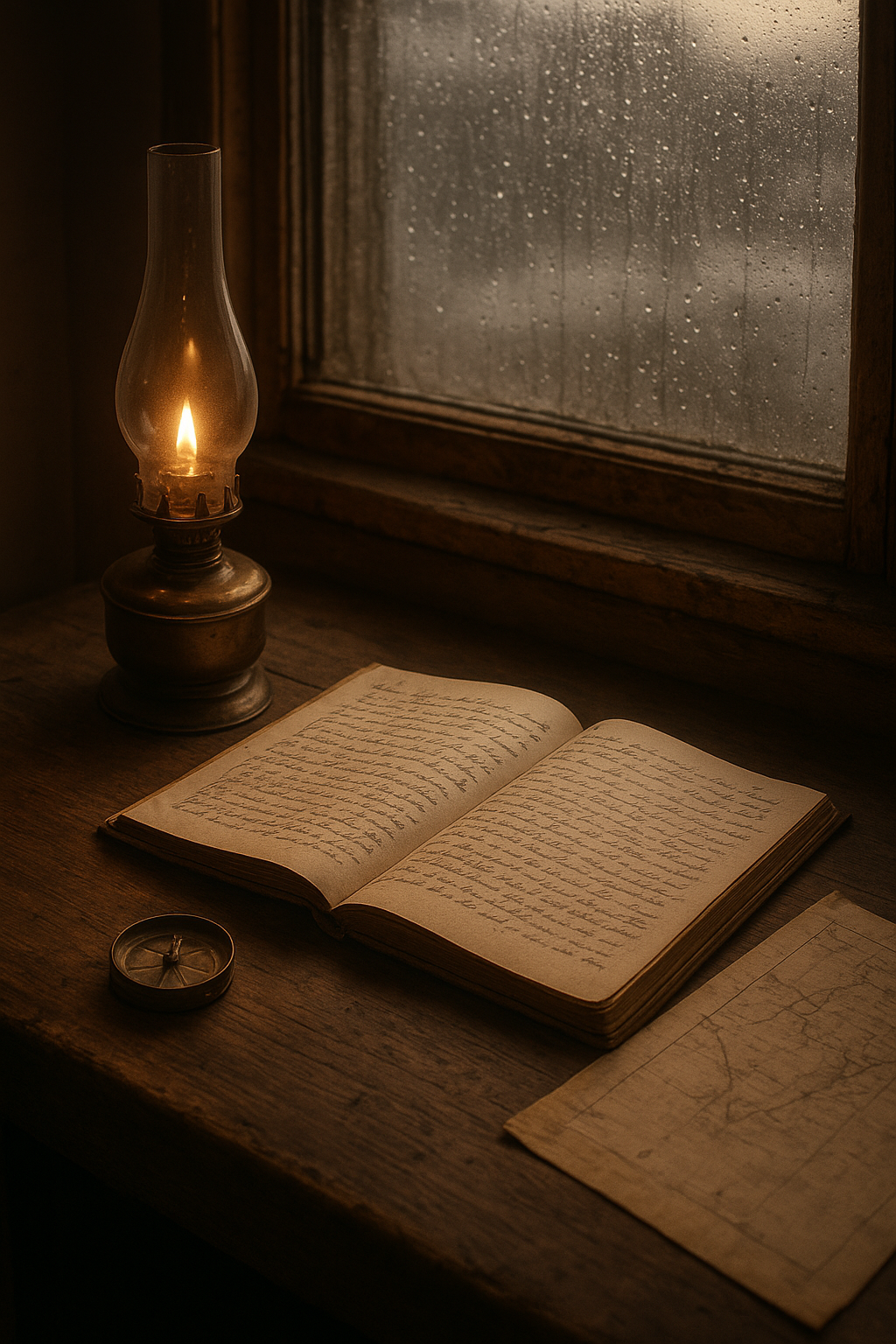
Keeper stories
Memorable fragments from the northern coast lights
Three brief recollections preserved in the archive, each carrying the voice of service, weather, and watchfulness along the shoreline beacons.
When fog settled for days, I counted the bell strokes against the tide tables and wrote each hour twice, once for the record and once for my own confidence. The sea answered in echoes from the cove.
We kept a chalk mark beside the chart table for every vessel safely rounded past the reef light. On clear nights that wall looked like a season of constellations brought indoors.
Preservation notes
What remains is still changing with the coast.
Many northern towers survive because restoration came in cycles, often after long periods of neglect, salt exposure, and shifting shoreline pressure.
Current work balances structural repair with historical integrity: masonry is stabilized, lantern rooms are secured, and interiors are adapted for safer public use without erasing evidence of working life.
Erosion, storm intensity, and changing harbor activity continue to alter how these buildings are accessed and interpreted, making local memory and stewardship as important as technical restoration plans.